Hay fever can trigger blocked, painful ears, and if you also have a build‑up of wax, everything can feel much worse – which is exactly where professional wax removal can help.
Hay fever and your ears
When you have hay fever (seasonal allergic rhinitis), your immune system reacts to pollen and other allergens, causing swelling and extra mucus in your nose and sinuses. This inflammation can spread to the back of the nose where the Eustachian tube opens – the small tube that connects your middle ear to the back of your throat and keeps pressure equalised. If this tube becomes swollen or blocked, air cannot move freely in and out of the middle ear, leading to a feeling of fullness or pressure.
Many people describe this as “blocked ears”, “underwater hearing” or a constant need to pop their ears, especially during high‑pollen days. For some, it can also cause muffled hearing, crackling or popping sounds, and mild ear pain.
The hay fever and earwax “double blockage”
At the same time as your hay fever is flaring, your ears are still producing wax (cerumen) to protect and lubricate the ear canal. If you are prone to wax build‑up, this can create a “double blockage”: swollen Eustachian tubes on the inside and impacted wax on the outside. The result is often:
-
Blocked or heavy sensation in one or both ears
-
Muffled hearing, especially in busy or noisy places
-
Ringing, buzzing or crackling sounds
-
Increased irritation or itching in the ear canal
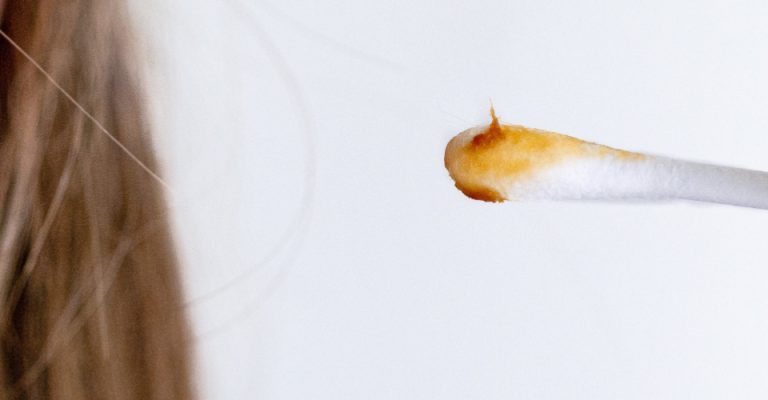
Guidance is clear that you only need wax removed if it is causing symptoms such as hearing loss, blockage or discomfort, but if it is, removing it can make a big difference. Trying to clear wax yourself with cotton buds, hairpins or ear candles can push wax deeper and increase the risk of infection, so it is best avoided.
Why clearing wax helps during allergy season
If your ears are already partly blocked with wax, any extra pressure from hay fever‑related Eustachian tube problems is likely to feel worse. Clearing excess wax can:
-
Help sound reach the eardrum more easily
-
Reduce the “fullness” caused by both wax and pressure changes
-
Make it easier to tell what is hay fever and what is simple wax build‑up
Many patients find that once their wax is professionally removed, their hay fever ear symptoms are far more manageable alongside standard allergy treatments.
How Just Ears can help
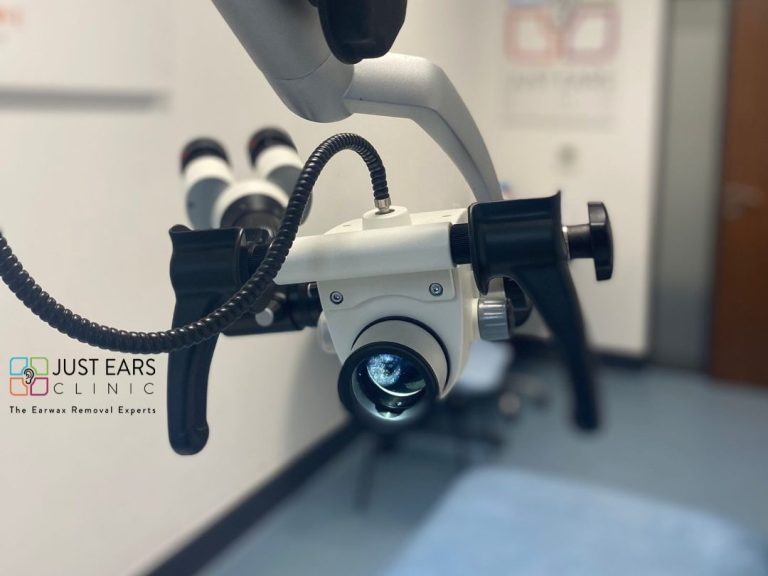
At Just Ears, we specialise in safe, gentle earwax removal using microsuction, which is widely regarded as the safest and most effective way to clear built‑up wax. Microsuction is carried out under direct vision so we can see exactly what we are doing and remove wax precisely without using water.
A typical appointment includes:
-
A history of your symptoms, including any hay fever or allergy issues
-
An examination of your ears to see how much wax is present
-
Gentle microsuction to remove wax and debris
-
Tailored ear‑care advice, including tips for managing hay fever‑related ear pressure
When to seek urgent help
You should seek urgent medical advice (GP, NHS 111 or A&E) if you notice:
-
Sudden or severe hearing loss
-
Strong, persistent ear pain
-
Fluid, pus or blood from the ear
-
Dizziness or severe imbalance
-
A high temperature or feeling very unwell
These can be signs of infection or other conditions that need prompt assessment.
If you are noticing blocked ears, pressure or reduced hearing alongside your hay fever, it may be time to have your ears checked for wax. You can book an appointment online at your nearest Just Ears clinic online any time, or speak to our team on 03455 27 27 27 to find a time that suits you.